
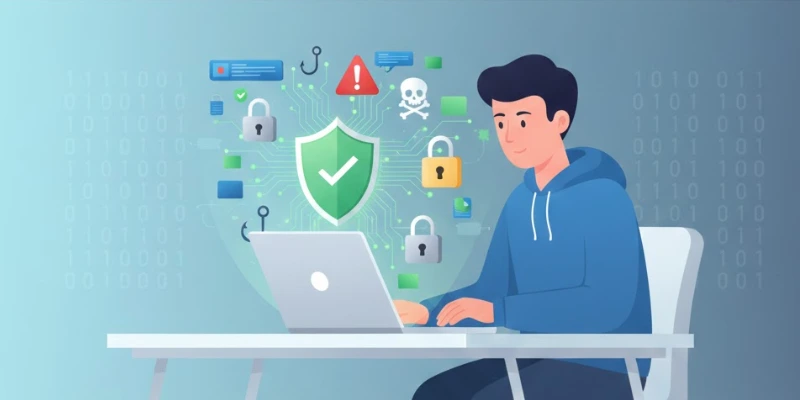
The digital world creates endless opportunities, but it also exposes individuals to growing cyber risks that can impact careers and personal data. Many beginners worry about protecting information while building skills for tech-driven roles. Understanding everyday cyber safety is now a must-have career skill, especially for those exploring IT and security paths. This is where learning awareness matters, and concepts taught through Cyber Security Course in Trichy often help learners connect daily safety habits with real workplace expectations.
Understanding Common Cyber Threats
Cyber threats are no longer limited to large organizations; individuals are frequent targets. Attacks like phishing emails, fake job portals, and malicious links are designed to exploit trust and curiosity. Beginners often fall victim because they are unaware of how attackers think. Understanding these threats helps individuals recognize red flags early. From a career perspective, interviews often test this basic awareness to check whether candidates can identify real-world risks beyond textbook definitions.
Creating Strong Password Habits
Passwords act as the first line of defense for digital accounts. Using simple or repeated passwords makes it easy for attackers to gain access. Strong password habits involve combining letters, numbers, and symbols while avoiding personal details. Professionals are also expected to understand password managers and multi-factor authentication. These habits show employers that you take responsibility for data security, which is a valuable trait in any technology-driven role.
Staying Alert Against Phishing Attacks
Phishing remains one of the most common cyber threats because it targets human behavior rather than systems. Fake emails, messages, or calls often appear legitimate and urgent. Learning how to verify sources, inspect email headers, and avoid clicking unknown links is critical. Practical exposure to such scenarios, similar to what learners gain during Ethical Hacking Course in Trichy, helps individuals think like attackers and defend smarter in real situations.
Securing Personal Devices and Networks
Laptops, mobiles, and home Wi-Fi networks are common entry points for attackers. Keeping operating systems updated and using trusted antivirus software reduces vulnerabilities. Public Wi-Fi should be used cautiously, especially for sensitive tasks. Interviewers often ask how candidates secure their own devices to evaluate their practical mindset. These small actions reflect a professional attitude toward cybersecurity responsibilities in the workplace.
Practicing Safe Online Behavior Daily
Cyber safety is not only about tools but also about behavior. Avoid oversharing personal details on social media and be cautious with unknown downloads. Many job seekers overlook how online habits can impact professional credibility. As cybersecurity roles grow across regions, awareness taught through Cyber Security Course in Erode often aligns personal safety practices with evolving job market expectations and employer standards.
Learning From Real Cyber Incidents
Studying real cyber incidents helps individuals understand how small mistakes lead to big consequences. Data breaches, identity theft, and ransomware attacks often start with simple errors. Reflecting on such cases improves decision-making skills. Employers value candidates who can explain lessons learned from real incidents rather than memorized theory, showing readiness for real-world cybersecurity challenges.
Building a Cyber-Safe Career Mindset
Staying safe from cyber threats requires continuous learning and a proactive mindset. Technology evolves fast, and so do attack methods. Individuals who stay curious, practice ethical awareness, and think defensively stand out in interviews and workplaces. Developing this mindset early, supported by learning paths Ethical Hacking Course in Erode, helps future professionals stay prepared for long-term cybersecurity careers.
Also Check: What Are The Six Processes And Concepts Of Ethical hacking